Local businesses thrive on visibility and recognition, and sign design plays a crucial role in both. In St. John’s, where small and medium-sized businesses form the backbone of the local economy, effective signage helps brands establish a strong presence.
Good sign design balances aesthetics and function. Attractive visuals draw attention, while clear messaging communicates purpose. Businesses that use well-balanced sign design attract interest without overwhelming customers.
Typography is a key design element. Fonts must be readable at various distances and lighting conditions. Overly decorative fonts may look appealing up close but fail from across the street. Effective signage prioritizes legibility while maintaining brand personality.
Color choices also influence perception. High-contrast color combinations improve visibility, while brand-aligned palettes reinforce recognition. Local businesses often choose colors that reflect their identity while standing out in their surroundings.
Size and placement determine effectiveness. Signs that are too small get lost, while oversized signs may feel intrusive. Professional planning ensures that signage complements the building and surrounding environment. Businesses that invest in proper sign placement planning avoid wasted visibility.
Local relevance strengthens design impact. Incorporating subtle regional influences or community-focused messaging helps signage resonate with residents. This connection builds familiarity and encourages support for local businesses.
Lighting enhances design effectiveness. Illuminated signage ensures visibility throughout the day and night. In areas with early sunsets, lighting becomes essential for maintaining visibility and accessibility.
Ultimately, effective sign design helps local businesses compete. By communicating clearly and consistently, signage supports recognition, trust, and long-term success in St. John’s.
Material selection also influences sign design and longevity. Durable materials such as aluminum, acrylic, and composite panels help signage maintain its appearance despite changing weather conditions. Businesses that choose materials suited to local climate conditions protect their investment and ensure their signs continue to represent the brand well over time.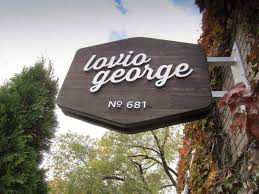
Consistency across multiple signs strengthens brand recognition. Window graphics, exterior signs, and interior displays should follow the same design language. When customers encounter consistent visuals at every touchpoint, the business feels more established and trustworthy. This unified approach helps local brands remain memorable in competitive areas.
Finally, well-designed signage supports word-of-mouth marketing. A distinctive and professional sign becomes a visual reference point when customers recommend a business to others. Phrases like “the shop with the blue sign” or “the café with the lit lettering” show how strong design turns signage into a recognizable landmark, further boosting visibility and local engagement.